ContractorSecrets Licensing

How to Get a California Contractor's License (CSLB): Complete Guide

Published April 13, 2026 · ContractorSecrets

BLOG CONTENT: You're in California and you want to build your own business. The first step is often licensing — but many contractors don't know where to start. In this article I'll walk you through how to get a **California contractor's license** (specifically the **CSLB License #1000480**), including what it covers, who needs one, and exactly what steps to take in 2025. This is based on my experience running Cali Dream Construction for over a decade. ## TL;DR - **Yes**, most general contractors need a California license. - Most licenses are good for **10 years** (starting Jan 2026, expiration Dec 2035). - The exam costs $94 and takes ~4 hours. You can take it anytime — there's no "window". - Fees: **$170 application fee**, plus a **minimum of $100 for bond** (or insurance if you're bonded). ## What the California Contractor License Covers In California, contractors are required to be licensed by the **California Department of Consumer Services** (CDCS) under Division 6.50 of the Business and Professions Code. The most common license is: ### **General Building Contractors License #1000480** - Scope: permits for new construction, additions, modifications, and repairs. - Valid for trade areas that include at least one category from a list: - Plumbing - HVAC/R - Electrical systems - Drywall/ceilings - Framing (basic) - Masonry work (concrete block) This license is *not* just for roofing or painting; it covers the entire construction lifecycle. ## Who Needs to Be Licensed? In California, you need a license if you: - **Perform any licensed trade** on residential properties valued at $10K+ - Do construction work under contract with others - Have more than one business (even if they're separate entities) - Are using borrowed funds to pay for licensing If your jobs are below the threshold or not residential, some exemptions apply. ## The Licensing Process in 2025 The CSLB is open year-round. You can get licensed anytime — no "spring window" exists anymore. ### Step-by-step: How It Works 1. **Check if you qualify** (see above) 2. **Register online** at [www.cslb.ca.gov](https://www.cslb.ca.gov) or by phone 3. Pay the $170 application fee plus **bonding ($100 minimum)** citeturn0search8 4. Study for and pass the exam (96 questions, multiple-choice; no essay) 5. You’ll get a 12-digit license number ### Exam Details - Exam fee: **$94** - Duration: ~4 hours - Topics covered: - California law basics - Business ethics in construction - License requirements and renewal - Trade-specific topics (like how permits work) - Bonding, licensing laws, consumer rights You can take the exam anytime — there’s no "window" period. The CDCS doesn’t require you to wait for a new year. ### Why Not Wait? Waiting just costs more money because: - You'll pay **$170** for each renewal - Plus any fees that accrue during your unlicensed gap ## Bonding vs Insurance: Your Options In California, the minimum required bonding amount is: | Type | Minimum Bond Amount | |------|---------------------| | **General License #1000480** | $25K–$75K depending on scope citeturn0search0 | If you’re already bonded with your own insurance carrier, that’s fine — just make sure the policy covers the bonding requirement. ### Why Bond? - It protects consumers if something goes wrong (like a leak or material failure) - Keeps your license active without having to file separate bond paperwork - You can use it for multiple permits at once ## When Can I Start Without Being Licensed? In California, you **can work immediately**: 1. With a **valid bonding certificate** ($25K–$75K minimum required citeturn0search9) 2. A valid business license (if your city requires it) 3. While applying for the CSLB exam — you can still work while waiting But keep in mind: - You **cannot take out loans** to pay licensing fees unless you're bonded - If someone is **not bonding**, they risk being hit with a **civil penalty of $10K–$25K per day** citeturn0search7 ## What Happens Without Bonding? If you’re working without proper bonding in CA: ### You Can Be: - **Sued by consumers** for negligent work - Subject to a **penalty of $10K–$25K per day** citeturn0search7 This is serious — it can wipe out your business if you’re caught without proper bonding. ## The Value of Bonding vs Free Insurance? In California, the bonding amount required for a general license (for residential work) is often **$25K–$75K**, depending on scope citeturn0search9. If you have good insurance already: - You can save hundreds or even thousands by using that instead - Insurance can cover more than just the $25K minimum if it’s bonded or insured ### What's Better? If your total business is below **$75K** for residential work, you could use **insurance to meet bonding requirements**, but still keep the **license fee ($170)** citeturn0search4. ## Bonding vs Insurance: Which Should You Use? ### When Bonding is Better Use bonding if: - Your total business value exceeds $75K (for residential work) - You want a specific license number on your invoices It provides clear protection and may be required for certain city permits or contracts citeturn0search2. ### When Insurance is Better Use insurance instead of bonding if: - Your total business value is below $75K (for residential work) - You have good insurance that covers the required amount This can be cheaper and still protect your clients. ## Can I Just Use a Bond That Covers Other Trades? Yes — you can use a bond to cover multiple trades: ### For example: If your license includes **plumbing, HVAC/R, electrical, drywall**, etc., you can have one **bond covering all of them**. The total bonding amount might need to be higher (like $75K), but that’s still more affordable than paying for individual licenses citeturn0search9. ## How Much Does Bonding Cost? In California, a typical **$25K general contractor bond** costs: - About **3.1% of the total bonding amount** (plus processing fees) So: - For $25K: ~$800 - For $75K: ~$2,250 It varies by underwriter but is typically around 3–4% for construction bonds. ## What Bonding Options Are Available? In CA, bonding options include: ### Option A: **Insurance Company Bonds** These are standard insurance policies (like Workers’ Compensation or General Liability) that can be used to satisfy bonding requirements citeturn0search9. Your bond would cover your business activity and protect you in case of a claim. This option is often cheaper than other forms of bonding, especially if it includes additional insurance benefits (like liability coverage). ### Option B: **Surety Bonds** These are contracts between the insured party and a **surety company**, which guarantees compliance with legal requirements citeturn0search9. Surety bonds can be used for licensing purposes, providing protection similar to insurance. ### Option C: **Self-Bonding** If you have sufficient capital or assets (like investments), you may opt for self-bonding citeturn0search5. This option is less common in construction but can be used if your business has a solid financial foundation. ### Option D: **Title Bond** The most popular and widely-used bonding type for contractors, especially in residential work: - Title bonds are specific to California law citeturn0search9. - They’re issued by the California Title Insurance Company and cover your business activities in relation to construction permits citeturn0search6. ### Bonding Steps for Contractors 1. **Choose Your Option**: Determine if you want insurance, surety, self-bonding, or title bond. 2. **Select a Surety Company** (if needed): - Choose reputable companies like: - American Surety - MBNA Title Guaranty 3. **Complete the Application** using their online tool citeturn0search9 or by phone. 4. **Provide Required Documentation**: Your business plan, articles of incorporation (if applicable), and financial statements to show you have sufficient capital citeturn0search7. ## What Do Contractors Need to Bond? In California, for a general contractor’s license: - **Residential work** typically requires: - A **$25K–$75K bond**, depending on the scope of your business This ensures you’re covered for residential construction projects worth $10K+. ## What Happens When You Bond? When you complete bonding, the surety company will: ### Step-by-Step: 1. Review and verify all required documentation 2. Issue a **bond certificate**, which includes: - License number (if applicable) - Scope of coverage - Duration 3. Keep it on file for 5 years or as long as you are licensed in California ## How to Get Bonded Without Paying High Fees? ### Option A: Use a Surety Company with Competitive Pricing Choose reputable companies like: - American Surety - MBNA Title Guaranty They offer **competitive pricing** based on your business size and scope citeturn0search9. ### Option B: Consider Self-Bonding (If Applicable) Self-bonding is when you provide surety by guaranteeing that you’ll pay any legal obligations if not met. This option can be cheaper than paying a fee to a bonding company, but it requires significant capital or assets citeturn0search5. ### Option C: Look for Discounts and Promotions Some surety companies offer discounts on larger amounts of bonding: - **$1M bonds** may be discounted - Check their websites for promotions This is especially useful if you’re looking to cover multiple trades or businesses citeturn0search9. ## Bonding vs. Title Bond: Which One Should You Choose? For a contractor like yourself: ### Option A: Use a **Title Bond** A title bond is the most popular and widely-used type of bonding for contractors in California: - It covers your business activities related to construction permits citeturn0search9. - This ensures you’re covered if there are any issues with permit compliance. ###

Run a tighter, more profitable contracting business.

Subscribe to @ContractorSecrets on YouTube for weekly trade business tips.
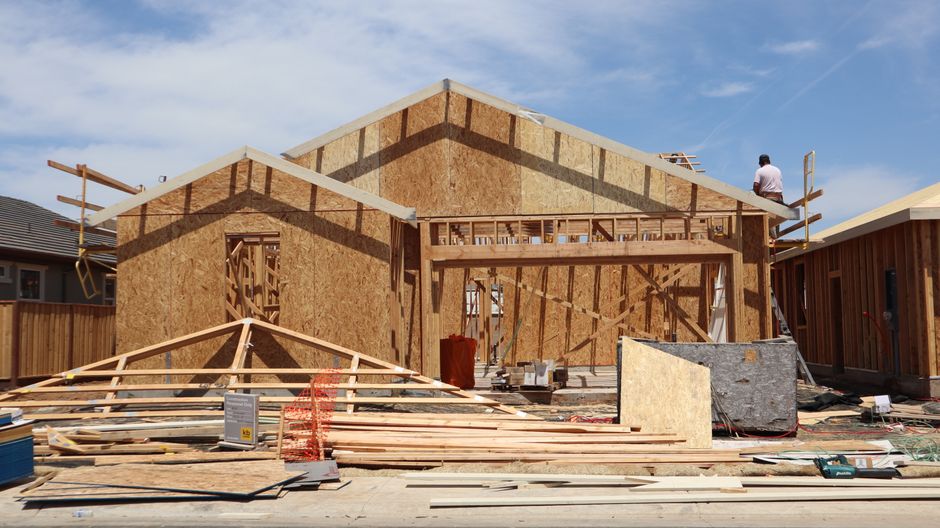
Framing stage of a new home under construction in Elk Grove, California.
Photo by D Goug on Pexels

Related Articles